Pyrometer
Product Code : EL-H-10397
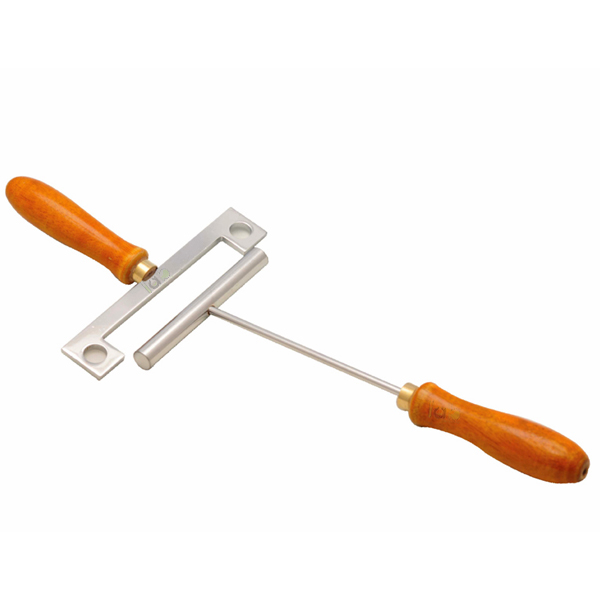
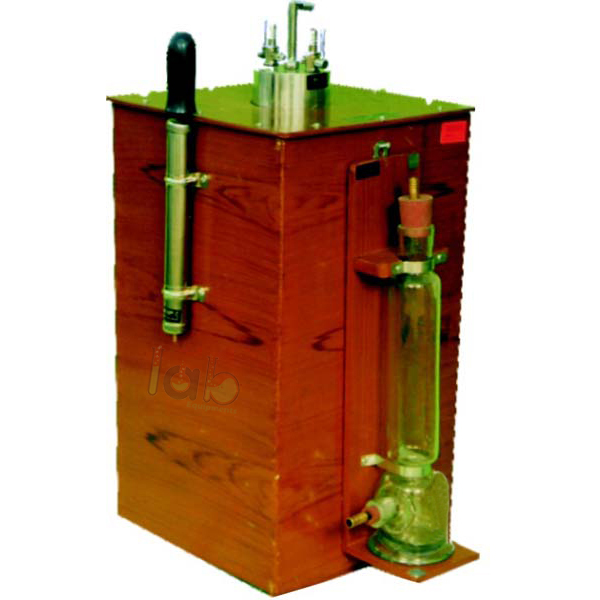
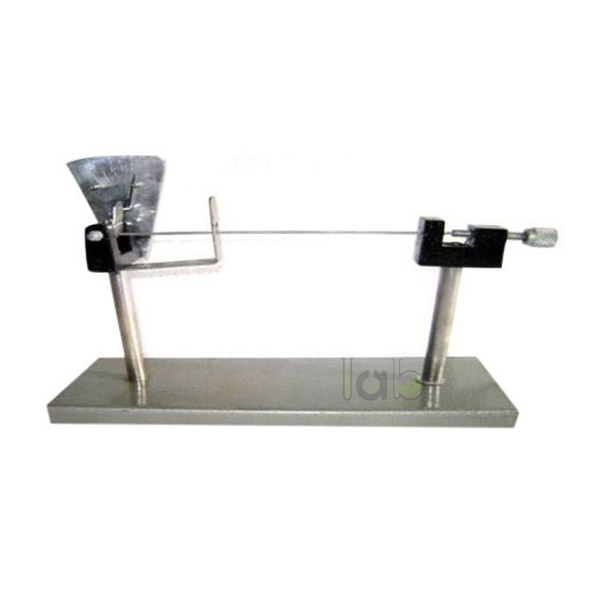
This school pyrometer compares how much rods of different metals lengthen when heated. It is an all-metal expansion apparatus with an engraved scale, three test rods of different metals and a spirit furnace to heat them. It does not read temperature, unlike an infrared or radiation pyrometer.
Specifications of the pyrometer
| Component | Specification |
|---|---|
| Construction | All metal |
| Scale | Engraved |
| Test rods | Three, each of a different metal |
| Heat source | Spirit furnace, supplied |
| Purpose | Comparing the linear expansion of different metals |
| House code | EL-H-10397 |
| Manufacturer | Lab Exports, Delhi |
Comparing metals on the pyrometer
Each rod is heated by the same spirit furnace, and its lengthening is read against the engraved scale. Because the heating is alike, a larger reading means a metal with a larger coefficient of linear expansion.
- Ranking the three metals. Stand the apparatus on a heat-resistant bench with the test rods in place and note the starting reading for each. Light the spirit furnace and heat the rods for a fixed time, measured with an Analog Stop Clock. Read the expansion of each metal on the scale and rank them.
- One rod measured, three compared. Find the coefficient of a single metal rod on the steam-heated Linear Expansion Apparatus. Then use the pyrometer, the multi-metal step up, to compare three different metals under the same furnace.
Allow the rods and the furnace to cool fully before handling them.
Frequently Asked Questions
What is the purpose of a pyrometer in a school lab?
In a school heat lab, this pyrometer shows that metal rods lengthen when heated and compares how much different metals expand. The three rods are heated by the same spirit furnace and their expansion is read on the engraved scale.
Is this the same as a radiation pyrometer?
No. A radiation or infrared pyrometer reads the temperature of a hot object from a distance. This school pyrometer is a mechanical expansion apparatus that compares the lengthening of heated rods, and it gives no temperature reading.
Which metal expands the most when heated?
The metal with the highest coefficient of linear expansion expands the most for the same rise in temperature. Each metal has its own coefficient. On the pyrometer, the rod with the greatest scale reading is made of the metal that expands most of the three.
How can you prove by experiment that metals expand at different rates?
Heat rods of different metals in the same way and compare their increase in length. On this pyrometer every rod uses the same spirit furnace and the same engraved scale, so different readings come from the metals themselves and not from the heating.
More expansion apparatus for solids and liquids
More apparatus is in the Heat section of the Physics Lab range.
To enquire, email [email protected] with the house code EL-H-10397 and the quantity, or use the Add To Cart button on this page.
Last updated: 24 November 2026