Student Dissecting Set
Product Code : EL-DAS-10564
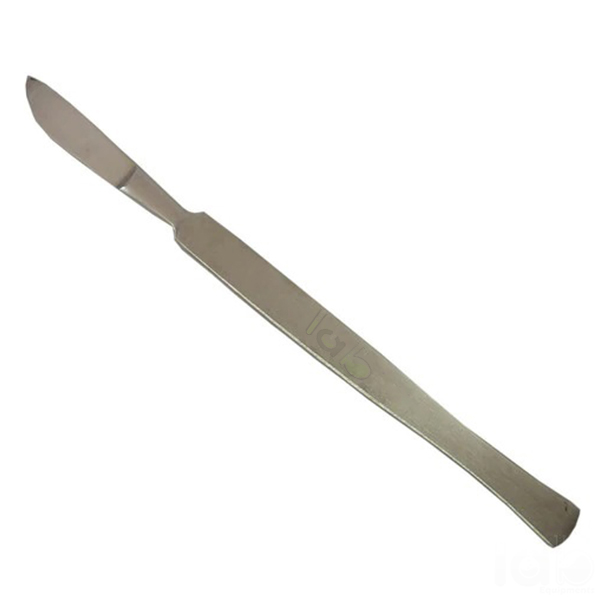
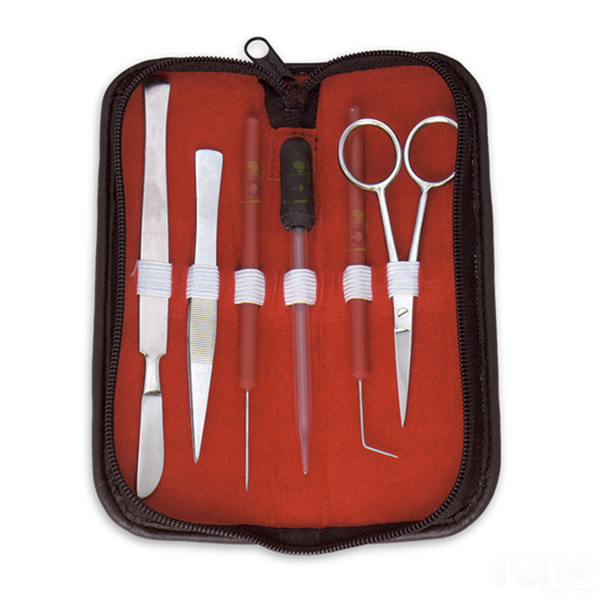
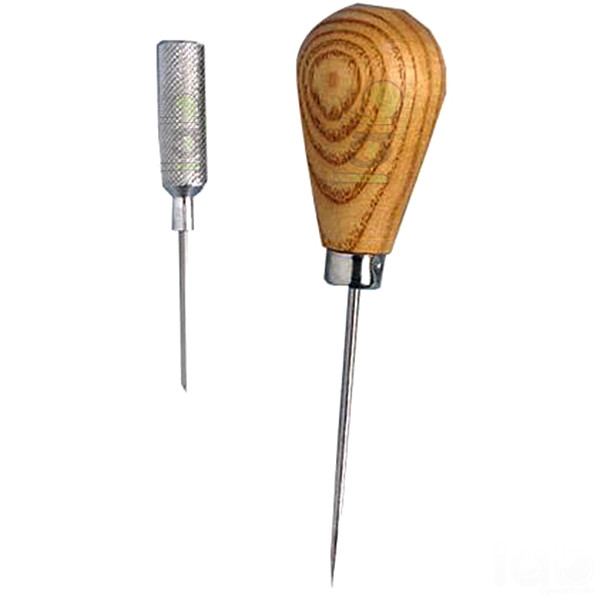
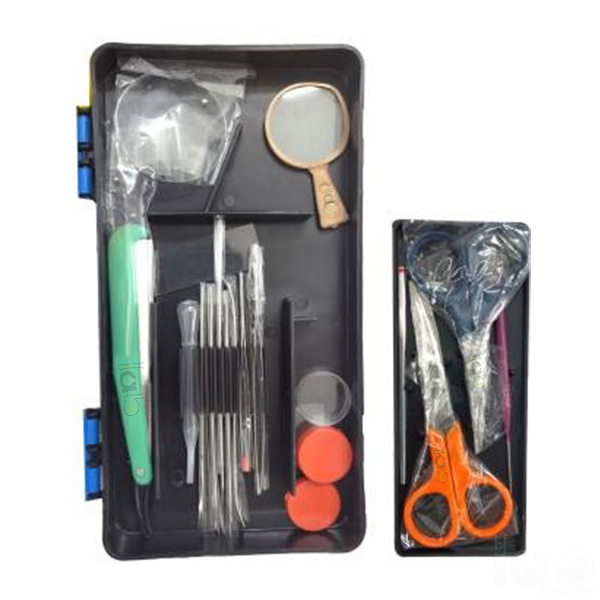
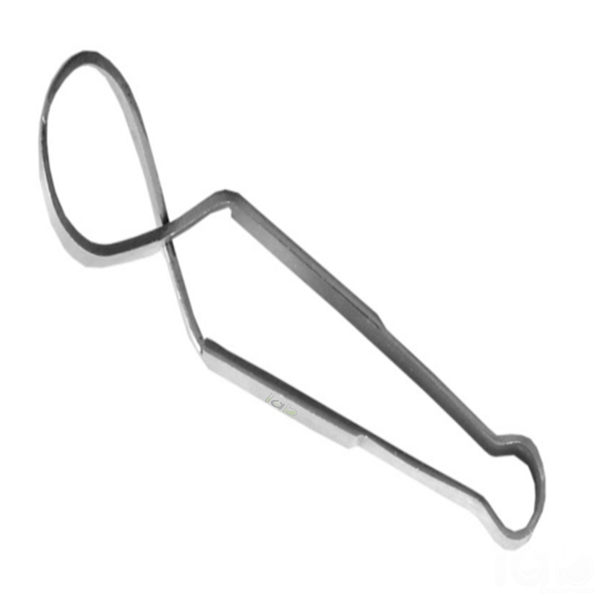
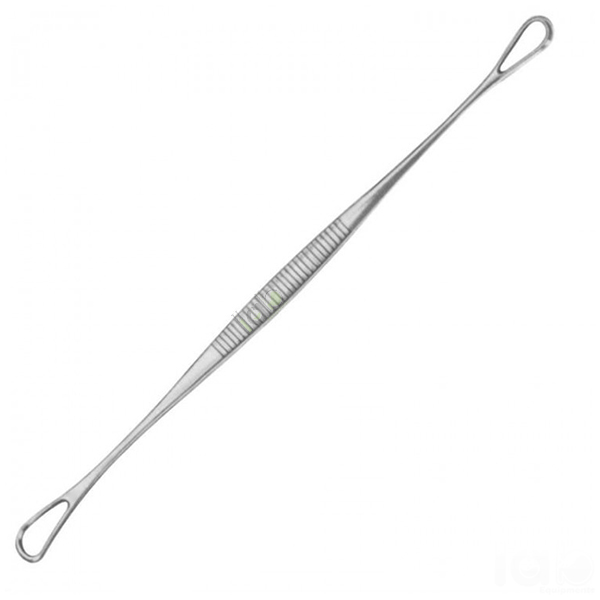
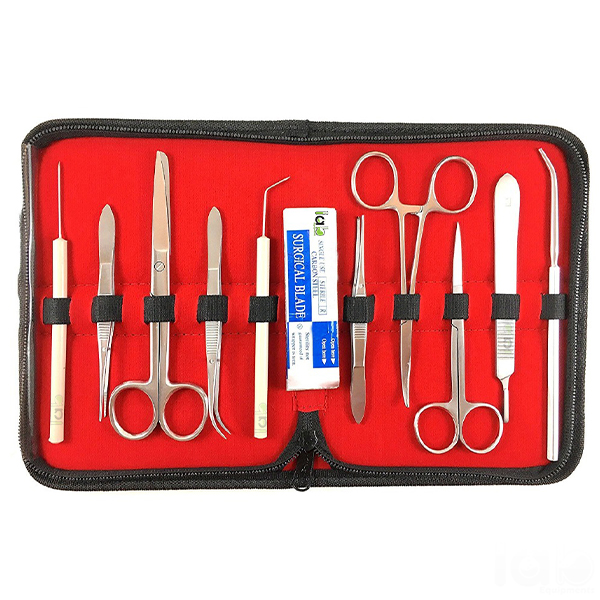
This student dissecting set is a stainless steel kit in a PVC case. It holds 100 mm sharp scissors, 125 mm sharp-blunt scissors, blunt and sharp forceps, a scalpel, a No. 3 scalpel handle with two blades, a seeker, a needle, a razor and a magnifier.
Specifications of the student dissecting set
| Component | Specification |
|---|---|
| Scissors | Sharp scissors, 100 mm; sharp-blunt scissors, 125 mm |
| Forceps | One blunt pair and one sharp pair |
| Cutting tools | Scalpel; scalpel handle No. 3 with 2 blades; razor |
| Probing tools | Seeker and needle |
| Viewing | Magnifier |
| Material | Stainless steel instruments |
| Case | PVC |
| House code | EL-DAS-10564 |
| Manufacturer | Lab Exports, Delhi |
Dissections done with this set
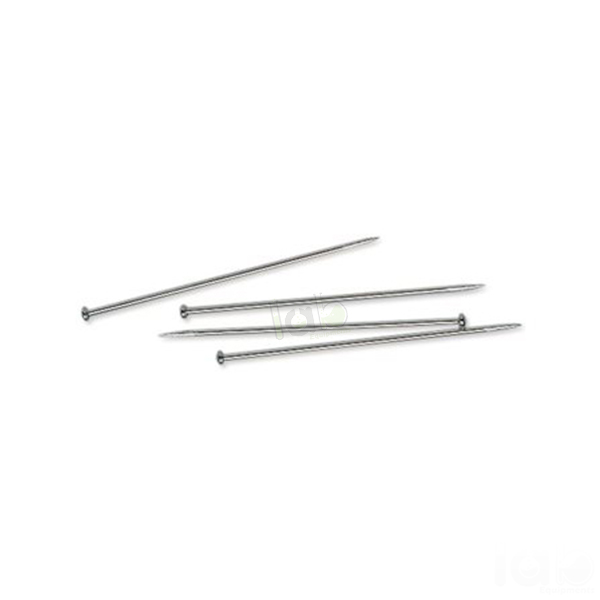
Work on a dissecting tray and hold soft specimens in place with dissecting pins. The set covers both coarse cutting and fine work.
- Parts of a flower. Remove the sepals and petals with the sharp forceps. Separate the stamens and the pistil with the needle, then cut the ovary across with the scalpel and look for ovules through the magnifier.
- Structure of a seed. Soak a gram or bean seed overnight. Peel off the seed coat with the forceps, open the two cotyledons and find the plumule and radicle with the magnifier.
- Thin sections for the microscope. Cut thin transverse sections of a stem or root with the razor. Lift the thinnest one with a section lifter and mount it in water under a microscope cover slip.
- Opening a preserved specimen. Cut through the body wall with the 125 mm sharp-blunt scissors, blunt blade underneath. Hold tissue back with the blunt forceps, and trace vessels and nerves with the seeker.
Documentation and supply
Most Lab Exports products carry a one-year manufacturer warranty.
Lab Exports manufactures the student dissecting set at its works in Laxmi Nagar, Delhi, and supplies it to schools, colleges and universities in India and 60+ countries, handling the export documents for each shipment. More about the company is on the About Lab Exports page.
Frequently Asked Questions
What is the seeker used for, and how is it different from the needle?
The seeker has a blunt tip. It lifts and follows vessels, nerves and ducts without tearing them. The needle has a sharp point, so it is used to tease tissue apart and to separate fine parts such as stamens.
What are the blunt and sharp forceps for?
Blunt forceps grip skin or tissue and pull it back without piercing it. Sharp forceps have fine points for picking up small parts, such as ovules, seed parts or a thin section. Hold either pair like a pen for steady control.
Why is one pair of scissors sharp-blunt?
The blunt blade goes underneath when you cut into a body wall or a layer of tissue. It slides over the organs below without stabbing them, while the sharp blade does the cutting. The 100 mm sharp scissors are kept for trimming fine structures.
What precautions should students take during a dissection?
Cut away from your body and from your partner. Never test an edge with a finger, and pass instruments handle first. Wear gloves, pin the specimen so it cannot slip, and fit or remove scalpel blades with forceps, not fingers.
How should the instruments be cleaned and stored?
Wash them in warm soapy water after each practical, rinse, and dry them fully. Stainless steel resists rust, but water left in the scissor joints can still stain them. Count every item back into the PVC case so nothing goes missing.
Other dissecting sets
More items are in the Dissecting and Surgical section of the Biology Lab range.
To enquire, email [email protected] with the house code EL-DAS-10564 and the quantity, or use the Add To Cart button on this page.
Last updated: 19 November 2026